The Diabetes Drug Therapy Market continues to evolve as healthcare systems worldwide focus on managing the growing prevalence of diabetes and its associated complications. Diabetes remains one of the most significant chronic diseases globally, affecting millions of people and creating substantial healthcare expenditures. The increasing incidence of type 1 and type 2 diabetes, coupled with changing lifestyles, obesity rates, and aging populations, is fueling demand for advanced therapeutic solutions. Pharmaceutical companies are investing heavily in research and development to introduce innovative drug therapies that improve glycemic control, reduce cardiovascular risks, and enhance patient outcomes.
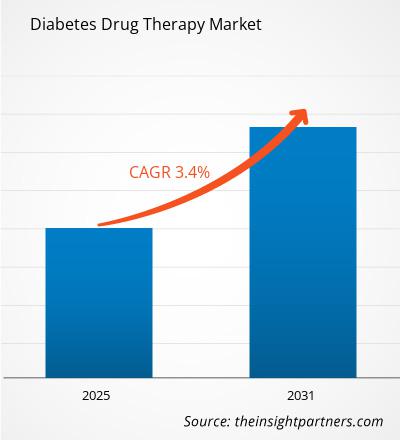
The global Diabetes Drug Therapy Market size is projected to reach US$ 122.71 billion by 2034 from US$ 93.25 billion in 2025. The market is anticipated to register a CAGR of 3.49% during the forecast period 2026-2034.
A key factor influencing industry dynamics is the changing Diabetes Drug Therapy Market Share across major geographical regions. North America currently accounts for a significant portion of the market due to its high diabetes prevalence, strong healthcare infrastructure, and widespread adoption of advanced therapies. Meanwhile, the Asia Pacific is emerging as one of the fastest-growing regions because of its large diabetic population, increasing healthcare awareness, and improving access to treatment. Europe also maintains a substantial market presence supported by favorable reimbursement policies and ongoing investments in diabetes care innovation. These regional developments continue to shape competitive strategies and investment priorities throughout the industry.
Download Sample PDF: https://www.theinsightpartners.com/sample/TIPRE00019617
What Factors Are Driving the Growth of the Diabetes Drug Therapy Market?
The rising global burden of diabetes is one of the primary drivers of market expansion. According to healthcare organizations worldwide, the number of diabetes patients continues to increase due to sedentary lifestyles, unhealthy dietary habits, and growing obesity rates. As a result, demand for effective medications that can manage blood glucose levels and prevent long-term complications is increasing significantly.
Technological advancements in drug development are also contributing to market growth. Pharmaceutical manufacturers are introducing novel therapies, including GLP-1 receptor agonists, SGLT2 inhibitors, insulin analogs, and combination therapies that offer enhanced efficacy and convenience. These innovations are improving treatment adherence while providing better disease management outcomes.
Government initiatives aimed at increasing diabetes awareness, early diagnosis, and treatment accessibility further support market expansion. Healthcare providers and policymakers are implementing programs that encourage preventive care and chronic disease management, creating sustained demand for diabetes drug therapies.
In addition, growing healthcare expenditure across developed and developing economies is enabling broader access to advanced treatment options. As healthcare infrastructure improves, more patients are gaining access to innovative medications that were previously unavailable or unaffordable.
How Does Market Share Analysis by Geography Influence Industry Growth?
Geographical analysis plays a crucial role in understanding the growth trajectory of the Diabetes Drug Therapy Market. North America remains a dominant regional market due to strong healthcare spending, a well-established pharmaceutical industry, and a high prevalence of diabetes. The United States, in particular, represents a major revenue contributor because of extensive adoption of innovative diabetes medications and robust research activities.
Europe holds a considerable share of the global market, supported by increasing awareness regarding diabetes management and strong government healthcare initiatives. Countries such as Germany, France, Italy, and the United Kingdom continue to invest in advanced treatment programs and patient care services.
Asia Pacific is expected to witness the fastest growth during the forecast period. Rapid urbanization, changing dietary habits, and rising obesity rates have significantly increased diabetes cases across countries such as China, India, and Japan. Furthermore, expanding healthcare infrastructure and increasing disposable incomes are improving access to modern therapies throughout the region.
Latin America and the Middle East & Africa are also presenting promising opportunities. Growing healthcare investments, increasing disease awareness, and improved diagnostic capabilities are supporting market development in these emerging regions.
Competitive Landscape and Strategic Developments
The Diabetes Drug Therapy Market is characterized by intense competition among global pharmaceutical companies striving to strengthen their product portfolios and expand market presence. Strategic collaborations, acquisitions, licensing agreements, and research partnerships are becoming increasingly common as companies seek to develop innovative treatment solutions.
Manufacturers are also focusing on personalized medicine approaches, integrating digital health technologies, and developing therapies that address multiple metabolic conditions simultaneously. The growing emphasis on patient-centric treatment models is expected to drive further innovation across the market.
Key Players in the Diabetes Drug Therapy Market
- Abbott Laboratories,
- Mannkind Corporation,
- Bristol Myers Squibb,
- Medtronic,
- AstraZeneca,
- Eli Lilly and Company,
- GlaxoSmithKline,
- Sanofi,
- Novo Nordisk,
- Novartis International AG
These companies continue to invest in clinical research, product innovation, and global expansion strategies to maintain competitive advantages and address the evolving needs of diabetes patients worldwide.
Purchase a Copy of this report: https://www.theinsightpartners.com/buy/TIPRE00019617
Future Outlook
The future of the Diabetes Drug Therapy Market remains promising as the global healthcare community intensifies efforts to combat the growing diabetes epidemic. Continued advancements in biotechnology, precision medicine, and drug delivery systems are expected to transform treatment approaches over the next decade. The increasing adoption of combination therapies and innovative biologics is likely to improve patient outcomes while reducing the risk of diabetes-related complications.
Emerging markets are anticipated to play an increasingly important role in future growth as healthcare access improves and awareness programs expand. Furthermore, the integration of digital health platforms, remote patient monitoring, and artificial intelligence-driven treatment management solutions will create new opportunities for market participants.
As pharmaceutical companies continue to focus on innovation and patient-centered care, the Diabetes Drug Therapy Market is expected to experience steady expansion in the coming years, supported by rising demand for effective and accessible treatment options worldwide.
Related Reports:
Regenerative Medicine Market Growth, Trends, Revenue & Forecast 2025-2031
Stomach Cancer Therapeutics Market Trends, Demand & Growth by 2034
About Us
The Insight Partners is a leading provider of actionable market intelligence and consulting services across various industries. Our research reports combine advanced analytics, expert insights, and reliable data to help organizations identify new opportunities, optimize strategies, and achieve sustainable growth. We specialize in delivering in-depth market studies covering healthcare, technology, manufacturing, and emerging sectors.
Contact Us
Contact Person: Ankit Mathur
Phone: +1-646-491-9876
Email: sales@theinsightpartners.com