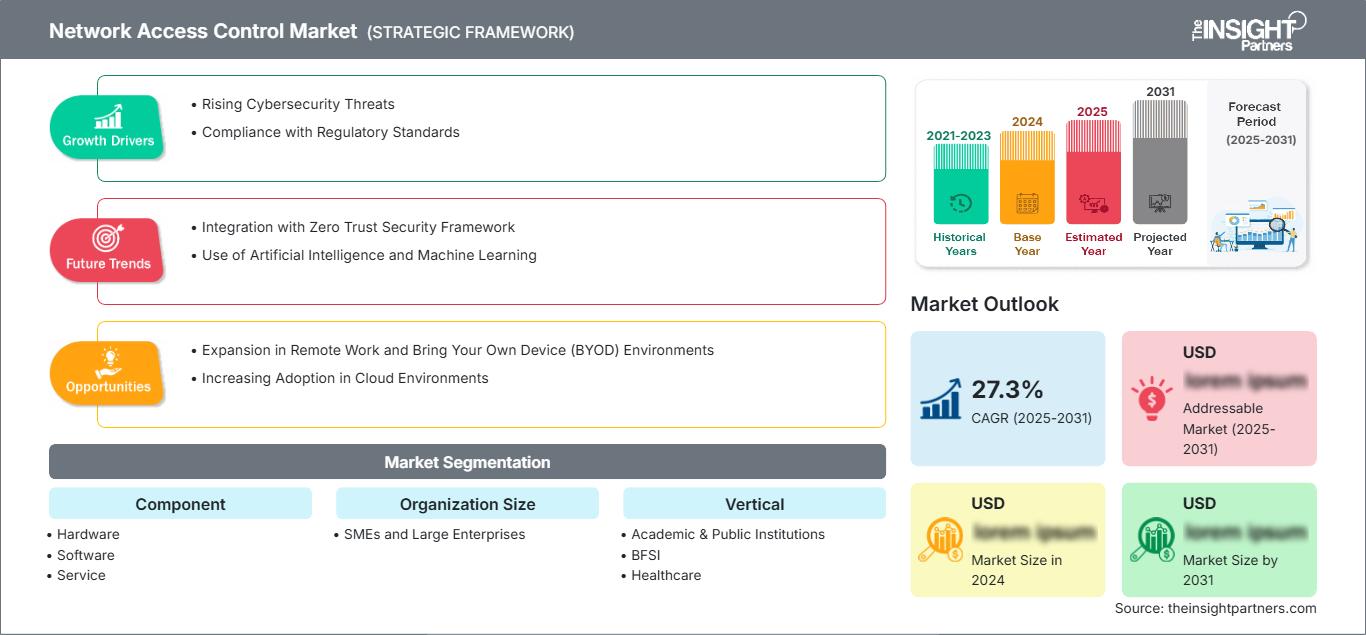
Global P-Aminophenol market was valued at USD 485.6 million in 2022 and is projected to reach USD 652.4 million by 2029, exhibiting a steady CAGR of 4.3% during the forecast period. This growth is driven primarily by increasing demand from the pharmaceutical and rubber industries, with significant contributions from emerging economies.
Get Full Report Here: https://www.24chemicalresearch.com/reports/229812/global-paminophenol-forecast-market-2023-2029-83
Market Dynamics:
The market’s progression is defined by a series of powerful driving forces, notable constraints that industry participants are actively mitigating, and significant emerging opportunities across various applications.
Powerful Market Drivers Propelling Expansion
- Pharmaceutical Industry Demand Surge: The pharmaceutical sector stands as the cornerstone of PAP consumption, accounting for over 65% of global demand. This dominance is primarily due to its critical role as a key precursor in the synthesis of paracetamol (acetaminophen), one of the world’s most widely used analgesics and antipyretics. Global production of paracetamol exceeds 150,000 tons annually, requiring a substantial and consistent supply of high-purity PAP. Furthermore, its application is expanding into other active pharmaceutical ingredients (APIs), including certain antimalarial and anticancer drugs, where its chemical properties enable precise molecular construction. The relentless growth of the global healthcare sector, particularly in aging populations and emerging markets, ensures sustained and growing demand for these essential medicines.
- Rubber and Polymer Industry Innovations: PAP serves as a vital building block for rubber antioxidants and antiozonants, such as p-phenylenediamine (PPD) derivatives. These additives are crucial for extending the service life of rubber products by 40-60% by inhibiting oxidative degradation caused by heat, oxygen, and ozone exposure. The global automotive industry, which consumes over 50% of the world’s synthetic rubber for tires, hoses, and seals, is a primary driver. With the tire market alone valued at over $200 billion, the demand for high-performance antioxidants is robust. Recent innovations focus on developing next-generation, non-staining antioxidants derived from PAP for light-colored rubber goods, opening new market segments in consumer products and medical devices.
Download FREE Sample Report: https://www.24chemicalresearch.com/download-sample/229812/global-paminophenol-forecast-market-2023-2029-83
Significant Market Restraints Challenging Adoption
Despite its established applications, the market contends with several obstacles that temper its growth potential.
- Environmental and Regulatory Pressures: The production of PAP, particularly via the traditional iron powder reduction method, generates significant effluent containing iron sludge and other contaminants. Treating this wastewater to meet stringent environmental standards, such as EPA and REACH regulations, can increase production costs by 15-25%. Compliance requires advanced effluent treatment plants and continuous monitoring, which represents a substantial capital and operational expenditure, especially for smaller manufacturers. Regulatory bodies are increasingly scrutinizing aromatic amine compounds due to potential toxicity concerns, leading to complex and lengthy approval processes for new applications, sometimes extending beyond 24 months.
- Volatility in Raw Material Costs: PAP production is heavily dependent on key feedstock prices, particularly nitrobenzene and phenol, which are themselves derivatives of benzene. Benzene prices are notoriously volatile, influenced by crude oil fluctuations, petrochemical industry dynamics, and geopolitical factors. This price volatility, which can see 20-30% annual swings, creates significant uncertainty in PAP production economics. Manufacturers often struggle to pass these cost increases downstream immediately, squeezing profit margins and discouraging long-term investment in capacity expansion, particularly in regions with less integrated supply chains.
Critical Market Challenges Requiring Innovation
The industry faces a unique set of operational and technical hurdles that demand continuous innovation and strategic adaptation.
Manufacturing high-purity PAP, especially the pharmaceutical-grade material required for paracetamol synthesis, is a technically demanding process. Even minor impurities can render batches unsuitable for pharmaceutical use, leading to yield losses. Achieving consistent color index and particle size distribution for dyes and rubber applications also presents challenges. Batch-to-batch consistency remains a key differentiator among manufacturers, with top-tier producers achieving purity levels consistently above 99.8%, while others may experience variations that limit their market access to lower-value segments.
Vast Market Opportunities on the Horizon
- Green Synthesis Technologies: A major opportunity lies in the development and adoption of environmentally benign production methods. The hydrogenation reduction method, while more capital intensive, significantly reduces environmental impact compared to the iron powder process. Catalytic hydrogenation using novel catalysts can achieve yields exceeding 95% with minimal waste generation. Recent breakthroughs in continuous flow reactor technology for PAP synthesis promise further improvements in efficiency and safety, potentially reducing energy consumption by up to 30% and minimizing the footprint of production facilities. These advancements not only address environmental concerns but also offer economic benefits through reduced operating costs.
- Expansion into Niche Applications: Beyond its traditional uses, PAP is finding new roles in advanced material science. It is being explored as a monomer for designing novel polymers with enhanced thermal stability and mechanical properties. Research is ongoing into its use in photo-developing agents, corrosion inhibitors for specialty metals, and even in the synthesis of certain liquid crystal compounds for displays. The agrochemical sector is also investigating PAP derivatives as potential intermediates for new generation herbicides and pesticides, responding to the need for more effective and selective crop protection agents.
In-Depth Segment Analysis: Where is the Growth Concentrated?
By Type:
The market is segmented by production method into Hydrogenation Reduction Method and Iron Powder Reduction Method. The Hydrogenation Reduction Method is increasingly dominating the market, particularly for high-purity pharmaceutical-grade PAP. This method is favored because it produces a higher quality product with fewer impurities and is more environmentally sustainable, generating minimal solid waste compared to the iron powder process. The iron powder method, while historically significant and still used due to lower initial capital investment, is facing gradual phase-out in many regions due to environmental regulations.
By Application:
Application segments include Pharmaceutical Intermediate, Rubber Antioxidant, Dyes, and Others. The Pharmaceutical Intermediate segment is the clear market leader, consuming the lion’s share of global PAP production. This is directly tied to the massive, steady demand for paracetamol worldwide. The Rubber Antioxidant segment holds a significant and stable share, driven by the global automotive and industrial rubber goods markets. The Dyes segment, while smaller, remains a consistent and high-value niche, particularly for specific azo black dyes.
Download FREE Sample Report: https://www.24chemicalresearch.com/download-sample/229812/global-paminophenol-forecast-market-2023-2029-83
List of Key P-Aminophenol Companies Profiled:
- Anhui Bayi Chemical (China)
- Liaoning Shixing Pharmaceutical (China)
- Farmson (India)
- Taixing Yangzi (China)
- Anqiu Lu’an Pharmaceutical (China)
- Mallinckrodt Pharmaceuticals (U.S.)
- Taizhou Nuercheng (China)
- Anhui Zhongxing Chemical (China)
- Meghmani Organics (India)
- Atabay (Turkey)
Get Full Report Here: https://www.24chemicalresearch.com/reports/229812/global-paminophenol-forecast-market-2023-2029-83
Download FREE Sample Report: https://www.24chemicalresearch.com/download-sample/229812/global-paminophenol-forecast-market-2023-2029-83
Other related reports:
Mandarin Oil Market Size, Share,Global Outlook and Forecast 2023-2030
Iron Nickel Cobalt Alloy Market, Global Outlook and Forecast 2026-2033
Isobutyl Stearate Market, Global Outlook and Forecast 2026-2033
Enzymatic Plastic Degradation Market, Global Outlook and Forecast 2026-2033
Metal Putty Market, Global Outlook and Forecast 2025-2032
Silicon Dioxide for Dentistry Market, Global Outlook and Forecast 2025-2032
Tributyl Citrate Market, Global Outlook and Forecast 2024-2030
Resin Optical Lens Market, Global Outlook and Forecast 2025-2032
Post Consumer Film Recycling Market, Global Outlook and Forecast 2025-2032
Industrial Solvent Market, Global Outlook and Forecast 2026-2033
Contact us
International: +1(332) 2424 294 | Asia: +91 9169162030
Website: https://www.24chemicalresearch.com/
Follow us on LinkedIn: https://www.linkedin.com/company/24chemicalresearch